


Driven by the expansion of the low-altitude economy, heavy-lift UAVs are entering a rapid growth window. Application scenarios keep widening — mountain cargo transport, power-infrastructure construction, forest-fire emergency response, and heavy material delivery. The market used to be dominated by light inspection drones; today demand for high-payload, long-endurance, high-reliability airframes is rising fast. This guide covers the three core hardware choices: ESCs, flight controllers, and power distribution (PDB).
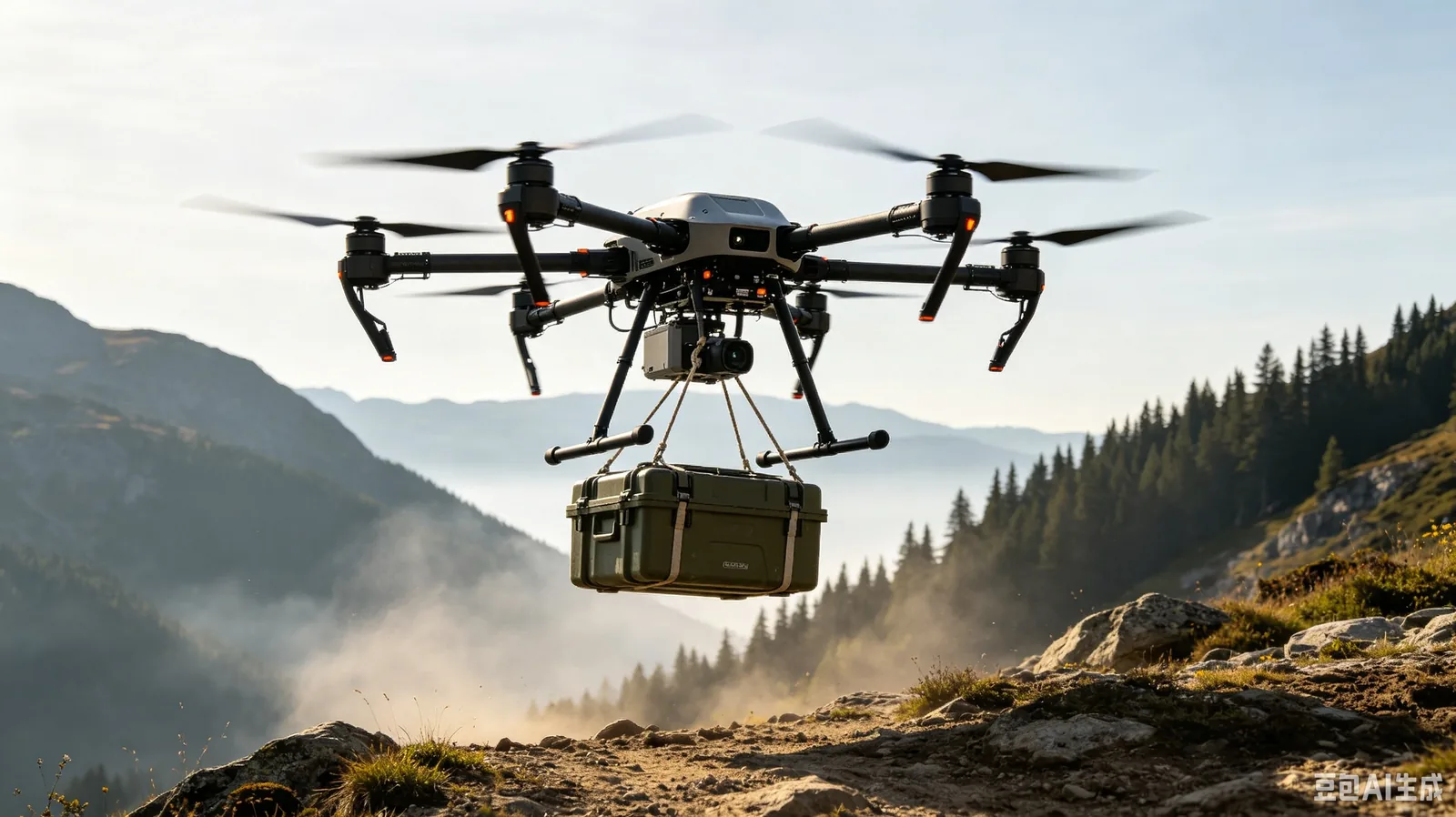
The Heavy-Lift UAV Market Context
Heavy-lift platforms run at high current and generate continuous heat during long hover missions. Field environments are harsh — vibration, temperature swings, and electromagnetic noise all stress the hardware. Integrators increasingly prefer suppliers offering an integrated power package (ESC + FC + PDB) to cut multi-vendor compatibility costs.
Choosing the Right ESC
AM32 Series — Medium & Light Heavy-Lift
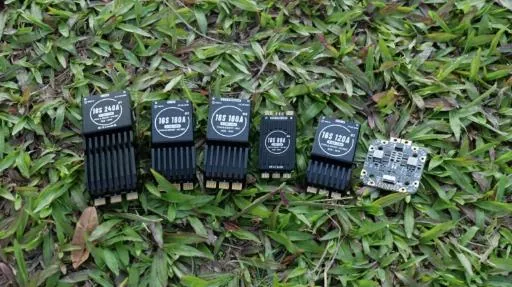
For medium and light heavy-lift builds, the AM32 series ESCs cover wide voltage ranges and multiple current ratings, with enhanced heat dissipation. They are configured through the open AM32 web configurator.
DroneCAN Industrial ESCs — 22-Inch and Above
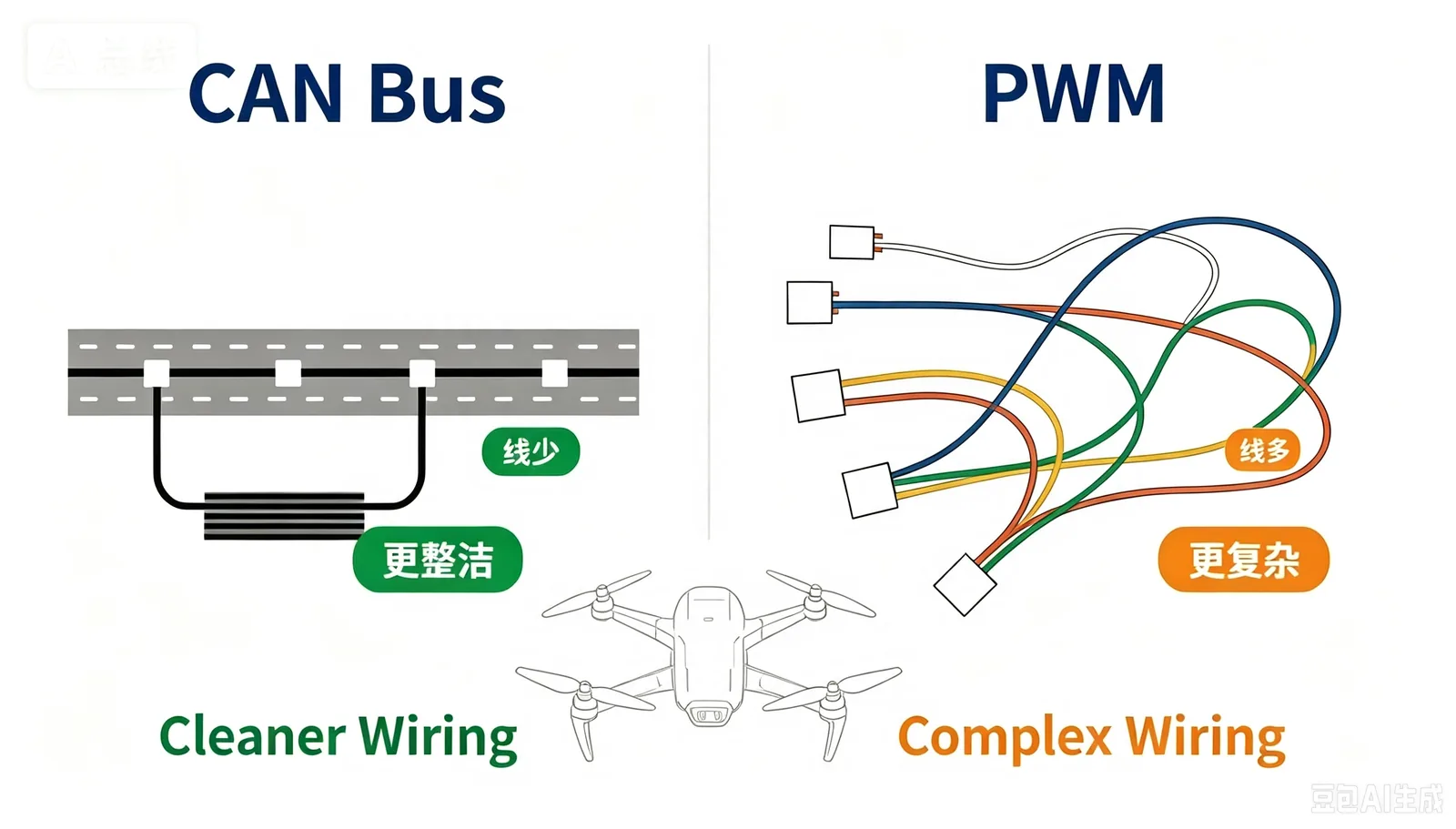
For 22-inch-and-above platforms, WBP offers DroneCAN industrial ESCs with bidirectional telemetry, simplified wiring, and no throttle calibration — see our CAN vs PWM ESC guide.
Choosing the Industrial Flight Controller
WBP’s industrial autopilot supports both PX4 and ArduPilot, is natively compatible with CAN ESCs, and offers multiple peripheral interfaces with full power telemetry parsing. It meets industrial requirements for redundancy, flight-log recording, and fault alerts.
Choosing the Power Distribution Board (PDB)
WBP’s PDB line is built for high-current, high-voltage platforms, with an optimized power path and integrated protection circuits matched to heavy-lift power-on sequencing. It is already co-validated with WBP ESCs and flight controllers.
Why a Matched Power System Beats Piecing Parts Together
Every WBP heavy-lift power package has been verified on real airframes. Choosing a fully matched, flight-validated power system shortens integration time and improves final reliability.
Frequently Asked Questions
- What ESCs do I need for a heavy-lift UAV?
For 22-inch-and-above industrial platforms, choose DroneCAN industrial ESCs. For smaller or FPV-derived builds, AM32-series ESCs with re-tuned parameters are sufficient.
- What should I look for in a heavy-lift flight controller?
Native PX4/ArduPilot support, native CAN ESC compatibility, full telemetry parsing, redundant interfaces, flight-log recording, and fault alerts.
- Why does the PDB matter on a heavy-lift UAV?
The PDB carries total aircraft current. It needs an optimized high-current path, integrated protection, and a power-on sequence matched to the ESC and flight controller.
- Is it better to buy ESCs, FC and PDB from one vendor?
For heavy-lift programs, yes. Single-vendor matched hardware means the power path, telemetry, and power-on sequence are already validated together.
Technical References
-
- PX4 Documentation: docs.px4.io
-
- ArduPilot Documentation: ardupilot.org